Counting What We Keep: Carbon Wins from Refurbished Tech and Reclaimed Goods

Define the Baseline

Functional Unit and Lifetime

Boundaries and Data Sources

Smartphones and Tablets
Laptops and Desktops
Home Entertainment and Small Appliances

Wood with a Past
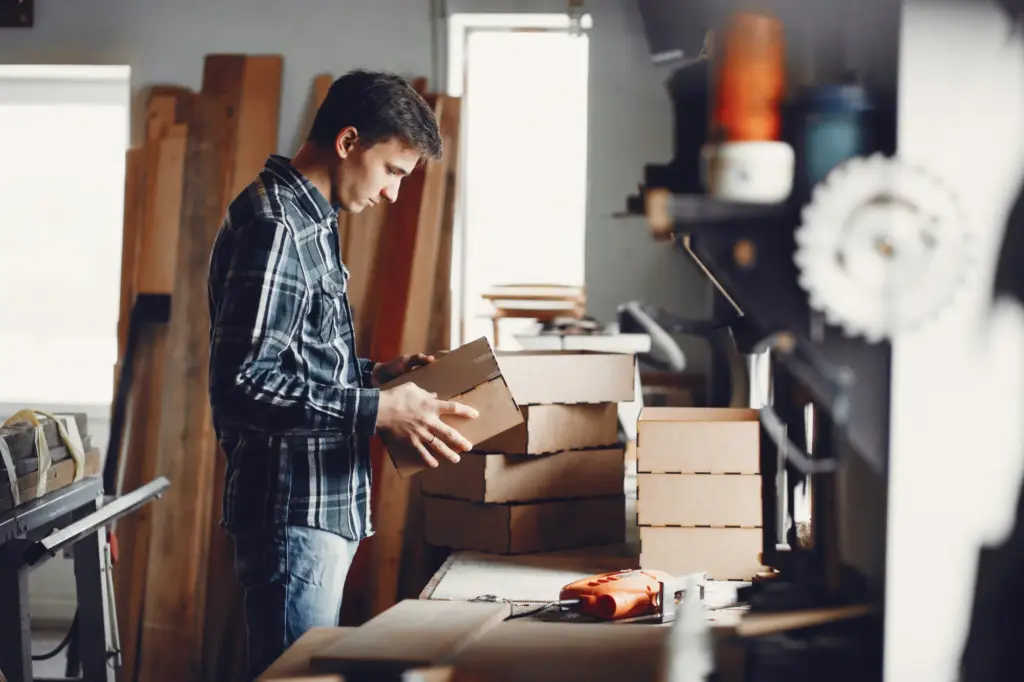
Tables from old joists, shelves from barn siding, or floors from gym maple transform spaces and expectations. Reuse preserves carbon stored in timber, bypasses energy‑intensive milling, and can avert landfill decomposition. Finished thoughtfully, reclaimed wood wears gracefully, teaching patience, repairability, and respect for forests growing now instead of boards ordered tomorrow.
Metals and Fixtures
Vintage brass handles, steel legs, and cast‑iron sinks already embody heavy industrial processes. Refitting and cleaning them keeps mining, smelting, and casting at bay for another cycle. When reclaimed pieces anchor a renovation, they reduce new material demand while elevating design character, proof that efficiency and beauty can reinforce one another.
Textiles and Furniture
Reupholstering a sofa, mending drapes, or repurposing fabric into cushions rescues craftsmanship embedded in frames and stitching. Material dyes, foams, and springs gain extended utility, while local artisanship replaces distant manufacturing. The result is comfort with conscience, calculable emissions savings, and a conversation starter every guest immediately notices and often wants to emulate.
Credible Metrics: Frameworks, Standards, and Transparency
Choosing Standards That Fit
Open Data and Assumptions

Handling Uncertainty and Sensitivity
A Community Repair Night
A School’s Laptop Refresh
Make It Actionable: Tools, Habits, and Engagement
Simple Calculation Worksheet

Buying and Care Practices
Join the Conversation

All Rights Reserved.